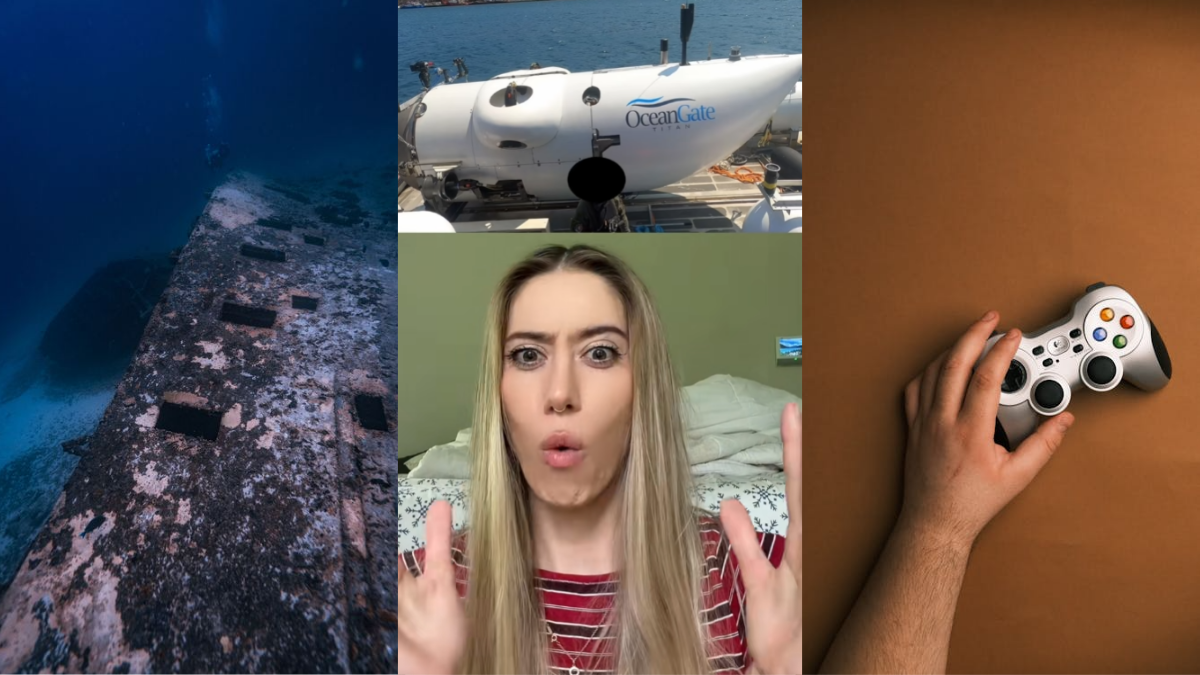
Philadelphia Inventor ‘Solves’ What Went Wrong with the Oceangate Titan Sub. The Problem Was Avoidable: ‘It Doesn’t Make Sense Underwater’
Philadelphia Inventor ‘Solves’ What Went Wrong with the Oceangate Titan Sub
Nearly four years after the tragic implosion of the Oceangate Titan submersible claimed five lives, a Philadelphia inventor claims to have identified the core, avoidable flaw in the vessel’s design. The inventor argues that the fundamental problem was a misunderstanding of basic physics: the sub’s unique shape and materials, specifically its carbon-fiber hull and unconventional porthole, were unsuitable for deep-sea pressure. He states, “It doesn’t make sense underwater.”
The key issues identified include:
- Material Incompatibility: The carbon-fiber hull, while strong for its weight, behaves differently under immense pressure compared to traditional titanium. It can compress unevenly and suffer from micro-fractures.
- Design Flaws: The sub’s elongated, cylindrical shape with flat endcaps and a large acrylic viewport created stress concentration points that were prone to failure.
- Avoidable Errors: The inventor emphasizes that these design choices violated well-established engineering principles for deep-sea submersibles, making the disaster entirely preventable.
The inventor’s analysis concludes that the Titan’s experimental approach, while innovative, ignored fundamental ocean engineering. The tragedy, he argues, was not an unforeseeable accident but a predictable outcome of prioritizing novelty over proven safety standards in a high-pressure environment.